Replace equipment with a plan
A new device can improve reliability, but the best moment to buy depends on repair costs, downtime risk, and available cash. A replacement plan makes the trade-off less emotional.
An asset with a job to do
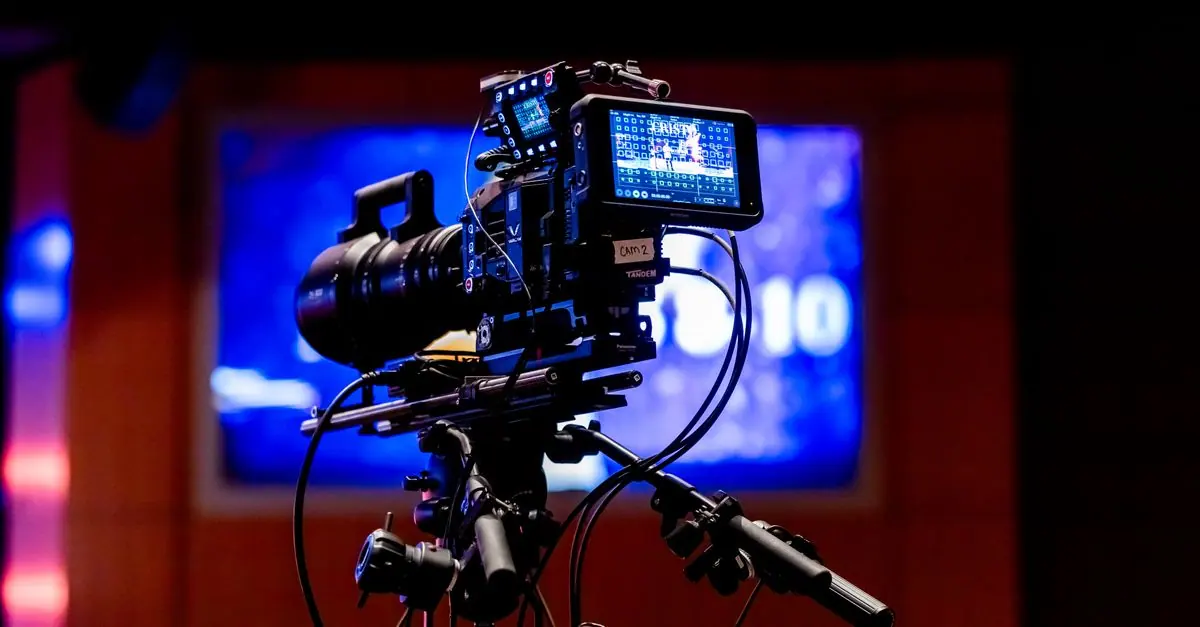
A creator has a camera that still works but fails intermittently on long shoots. The newest model is appealing; so is a lower-cost repair. The relevant question is not which specification is most exciting, but which option keeps paid work dependable at a manageable cost.
Build a replacement reserve
Keep an inventory with age, condition, backup options, and likely replacement windows. For expensive items, compare repair, rent, used purchase, and new purchase using the same total-cost period.
Set a decision threshold
Choose one essential tool. Write the cost of failure during a booked project, the price of a short rental, and the estimated cost of repair. Decide what evidence would justify replacing it this year.
Compare four practical routes
Downtime belongs in the math
Start with the role of the equipment. Is it essential for delivery, a backup, or a convenience? Estimate repair cost, likely remaining life, rental alternatives, resale value, and the cost of a missed assignment. Then account for accessories and software that a replacement may require. A purchase that saves editing time has a different payoff from one that merely looks better in a comparison chart. Setting aside a small replacement reserve over time can prevent an urgent purchase from competing with tax or payroll obligations. When the purchase is large, compare several scenarios rather than relying on one optimistic workload forecast.
Do not let tax drive the purchase
A tax deduction is not a reason by itself to buy equipment. Tax treatment varies, while cash leaves the account immediately.